Style Guide
Linen, Cotton or Blend? Choosing Shirts for Sri Lanka’s Climate
Heat and humidity change how a shirt feels by midday. The right fabric keeps you cool and looking pressed; the wrong one sticks, creases or shows every bead of sweat. Here is how the main shirting fabrics compare.
Linen and linen blends
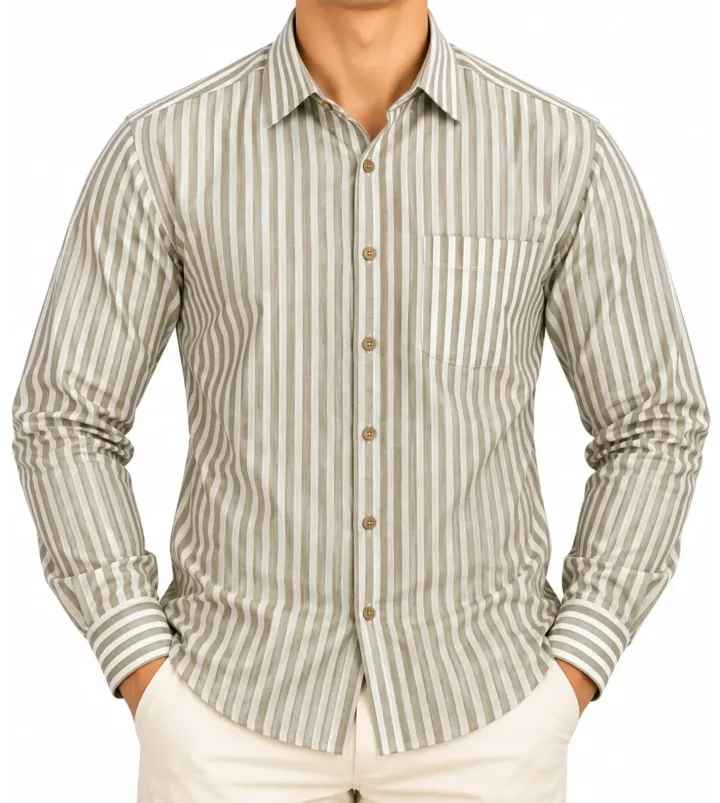
Linen is the coolest fabric you can wear: its fibres let air through and dry quickly. Pure linen creases easily, which is why a linen–cotton blend is often the smarter choice — it keeps most of the coolness with noticeably fewer wrinkles. Best for hot days, weekends and travel.
100% cotton (chambray, poplin)
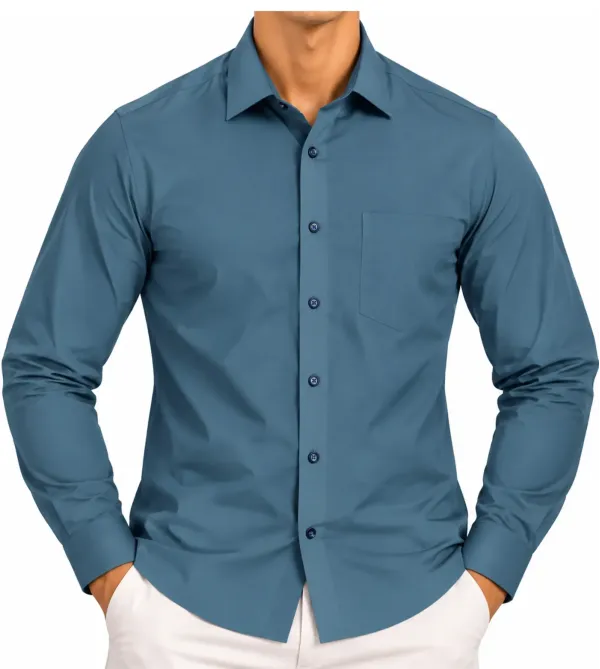
Cotton breathes well and feels soft against the skin. Chambray, woven with a coloured warp and a white weft, has a relaxed, slightly textured look that suits smart-casual days. Cotton absorbs moisture, so choose lighter weights for the hottest months.
Cotton blends with texture (fil-a-fil, pin point, dobby)
These weaves are made for the office. Fil-a-fil reads as a solid colour from a distance and hides light creasing well; pin point is crisp and durable; dobby adds a small woven pattern you notice up close. All three move well through a long working day.
Satin weave
Satin has a smooth face with a gentle sheen, which makes it a natural choice for evenings, weddings and events. It drapes beautifully but is a touch warmer than linen, so it shines in air-conditioned venues and cooler evenings.
Cotton–polyester
Adding polyester gives a shirt strength and wrinkle resistance: it holds a press from the first meeting to the last. It is a practical pick for long workdays, travel and uniforms.
Quick guide
- Outdoor heat: linen blend or light cotton
- Office, air-conditioned: fil-a-fil, pin point or dobby
- Evenings and events: satin
- Long days and travel: cotton–poly
Put it into practice
Every DEVELOP shirt is cut and finished in our own factory.